Top speed tells you who was fast once. Bursts tell you who keeps doing it.
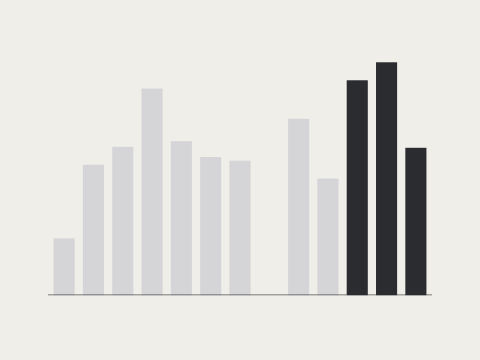
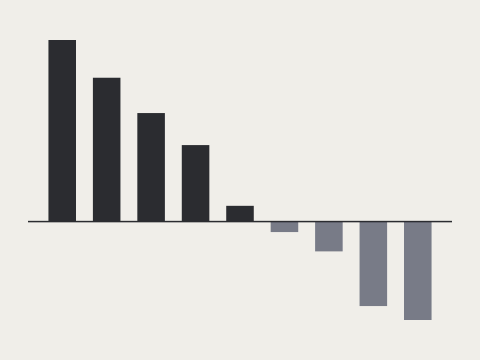
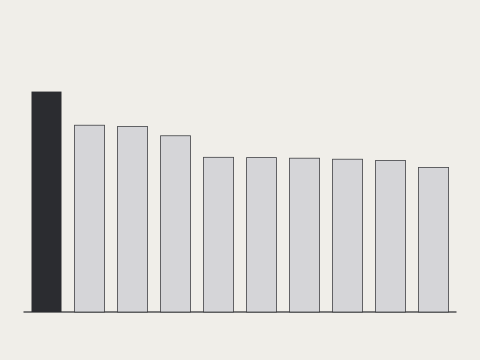
Most forwards in the top 10% for top speed drop out of it a year later. Nearly two-thirds of the forwards who break 20 mph most often are still there.
Gavin McKenna's 23.34 mph on Oct. 8 has already drawn a speed-record headline, but top speed is one reading that reshuffles every year, while how often a player tops 20 mph holds its place far better.
Why it matters: Top speed gets the record treatment. Beck Malenstyn's 24.94 mph last March was billed as the NHL's "all-time skating speed record," and NHL.com's EDGE previews for this season cite max-speed ranks alongside burst counts. Of the two, top speed holds up far worse from year to year.
- Top speed wobbles. Aaron Knodell wrote in 2024 of "a lot of variance in max skating speed from year-to-year." The past five seasons bear that out.
- The fastest forward fades back into the pack. Ryan Poehling had the NHL's top forward speed in 2022–23, then ranked between 72nd and 111th among forwards in top speed in his other four seasons. His burst rate stayed in the top 10% of forwards every year.
- The fastest names show up on both lists. Each of the past five forward top-speed leaders ranked top 25 in burst rate that season, and Connor McDavid and Nathan MacKinnon sit near the top of both lists every year. The churn is in the pack.

Yes, but: A high burst rate partly reflects the job. As Knodell put it, "usage impacts burst rates," so a steady rate can mean a steady role as well as steady legs.
The bottom line: Hunter Marriott has argued for burst counts over top speed, and on steadiness alone it isn't close. For McKenna, the number to watch isn't 23.34. It's how often he gets past 20.
Keep reading